
Table of Contents
- Siding Installation Atlanta: What the Process Actually Involves
- Signs of Siding Damage That Mean It’s Time to Replace
- Choosing Materials: Fiber Cement vs. Vinyl Siding for Local Weather
- Permits, HOA Rules, and Building Codes in North Georgia
- Siding Replacement Cost: What Drives the Number
- Siding Installation Timeline: What to Expect Week by Week
- DIY vs. Professional Installation: Risks and ROI
- How to Hire a Certified Siding Contractor
- Frequently Asked Questions
Last Updated: September 16, 2026
Siding Installation Atlanta: What the Process Actually Involves
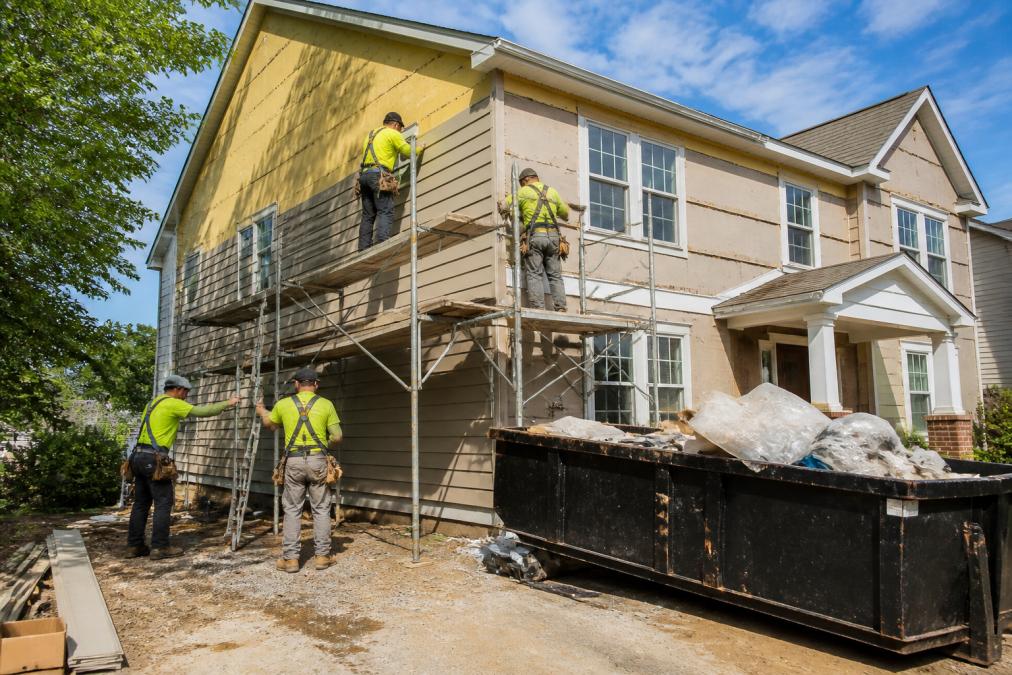
Siding installation in Atlanta is the process of removing old exterior cladding, inspecting and repairing the underlying sheathing, installing a moisture barrier, and fitting new siding panels to protect a home from rain, heat, and humidity. This guide from Sentinel Exteriors walks through the decisions that actually determine whether a project goes smoothly: material choice, permits, cost drivers, and contractor selection.
Why Exterior Cladding Choice Matters in North Georgia
Exterior cladding is the outermost layer of a building’s envelope, and it takes the brunt of weather before anything else does. In North Georgia, that means repeated wet-dry cycles, hail, and intense UV exposure.
Replacing siding without inspecting the sheathing underneath is the single most expensive shortcut in this trade. Rot found after new panels go up means tearing the wall open twice.
Signs of Siding Damage That Mean It’s Time to Replace
The clearest signs of siding damage are warping, cracking, bubbling paint, soft spots, and visible gaps at seams or around windows. Any of these usually means moisture has already reached the layers behind the panel.
| Sign | Likely Cause | Repair or Replace |
|---|---|---|
| Cracked or chipped panels | Impact, hail | Repair if isolated |
| Warping or buckling | Heat, moisture intrusion | Replace affected sections |
| Bubbling or peeling paint | Trapped moisture | Investigate wall assembly |
| Soft or spongy panels | Long-term water damage | Replace, inspect sheathing |
| Rising energy bills | Failing insulation, air leaks | Full assessment needed |
Choosing Materials: Fiber Cement vs. Vinyl Siding for Local Weather
Fiber cement and vinyl siding are the two dominant choices for siding replacement in this region, and they fail in different ways. Fiber cement handles heat and impact better; vinyl costs less upfront and is lighter to install.
Ask your contractor what flashing detail they use at window heads and deck ledgers. That one answer tells you more about their installation quality than any brochure.
Permits, HOA Rules, and Building Codes in North Georgia
Permits and HOA approvals are required for many siding projects, and skipping either can force removal of completed work. Building codes govern structural attachment and fire separation; HOA rules govern color, material, and visible profile.
Siding Replacement Cost: What Drives the Number
Siding replacement cost depends on material, square footage, wall height, the condition of the sheathing underneath, and how much trim replacement is needed. Two homes of identical size can land far apart on price, a 2,000-square-foot ranch with intact sheathing and a 2,000-square-foot two-story with rot at the rim joist are not the same job, even though the square footage matches.
The biggest variables:
- Material type: fiber cement costs more per square than vinyl, and premium profiles (cedar shake, board-and-batten) add material and cut time
- Access and height: two-story walls need scaffolding and more labor hours; steep pitches and tight side-yard setbacks slow the crew further
- Sub-sheathing condition: rot repair adds scope fast, replacing a few sheets of OSB is a line item, replacing a full wall of sheathing is a change order
- Trim and flashing: new trim, soffit, and fascia add material and time; window and door flashing details are where labor hours hide
- Permits and HOA requirements: fees and review time vary by jurisdiction and association
- Removal and disposal: old cladding has to come off and go somewhere, dumpster placement and haul-away are real costs, not overhead
How the Same House Gets Two Very Different Bids
A low bid usually wins by omitting scope, not by working cheaper. The three places that gap shows up:
- Sheathing inspection. A bid that assumes the sheathing is sound and prices repair as a change order will always look lower than one that budgets for it upfront.
- Flashing and weather-resistive barrier. Skipping new window head flashing or reusing the old housewrap saves labor and material, and is the single most common cause of premature failure.
- Trim scope. Replacing only what is visible from the street versus wrapping all openings and corners are two different jobs.
What Actually Moves the Price in This Market
Material choice is the largest single lever, but it is not the only one. Wall height and access often matter more than the panel itself on two-story homes, because scaffolding, staging, and fall-protection requirements add labor hours that do not scale with square footage. Sheathing condition is the wildcard, you cannot know it until the old siding comes off, which is why a reputable contractor prices the inspection as a defined phase rather than a guess.
A bid that does not name the moisture barrier product, the flashing detail at window heads, or the sheathing repair rate is not a bid, it is a placeholder. Get those three items in writing before signing anything.
The 10% Change Order Guarantee and Price Protection
Change orders are where exterior renovation budgets go to die. Sentinel Exteriors backs its projects with a 10% Change Order Guarantee and a guaranteed price protection plan, so the number you approve is the number you can plan around.
Siding Installation Timeline: What to Expect Week by Week
A siding installation timeline typically runs one to three weeks for an average home, longer for large or multifamily projects. Weather, permit timing, and hidden damage are the usual causes of delay.
| Phase | Typical Duration | What Happens |
|---|---|---|
| Consultation and estimate | 1-2 weeks | Scope, material selection, design consultation |
| Permits and HOA approval | 1-3 weeks | Varies by jurisdiction and association |
| Material ordering | 1-2 weeks | Lead times depend on product |
| Removal and inspection | 2-4 days | Old siding off, sheathing assessed |
| Installation | 5-10 days | Moisture barrier, flashing, panels, trim |
| Final inspection | 1-3 days | Punch list, walkthrough, cleanup |
DIY vs. Professional Installation: Risks and ROI
Professional installation is the right call for most siding projects because the failure points are hidden behind the panels. A mistake in flashing or the moisture barrier may not show up for years, and by then the damage is structural, not cosmetic.
Why the Moisture Barrier Is the Whole Ballgame
Siding is a rain screen, not a waterproof layer. It sheds the bulk of the water, and the weather-resistive barrier behind it handles what gets past the seams. The barrier only works if it is lapped correctly, upper courses over lower courses, like shingles, and if every penetration (windows, doors, hose bibs, dryer vents, deck ledgers) is flashed in the right sequence.
The ROI Case: What New Siding Actually Returns
New siding improves curb appeal, and curb appeal influences home value. Structural integrity and water damage prevention protect the asset underneath. According to the National Association of Realtors’ remodeling impact research, exterior replacement projects consistently rank among the strongest returns in resale value studies, fiber cement and vinyl replacement in particular tend to recover a large share of their cost at resale, though the exact figure varies by market, material, and the condition of the rest of the home.
- Deferred maintenance cost. Water damage that reaches the sheathing turns a siding project into a framing and remediation project.
- Insurance and inspection risk. Failing siding and flashing details can surface during a home inspection and become a negotiation point at sale.
- Warranty coverage. Manufacturer warranties on fiber cement and vinyl typically require installation per the manufacturer’s published instructions. A DIY install that skips the specified fastening pattern or clearance can void coverage on the material itself.
If you are weighing DIY against a contractor, price the failure case, not just the install. One flashing error that reaches the sheathing can erase every dollar the DIY route saved, and then some.
When DIY Makes Sense
DIY is a reasonable option for:
- Replacing a single cracked or storm-damaged panel on a first-story wall
- Reattaching loose trim or caulking a failed joint
- Painting or sealing existing siding that is otherwise sound
It is not a reasonable option for full-house replacement, second-story work, or any project that requires a permit or HOA architectural approval. Those projects need a licensed contractor, and they need the scope in writing.
How to Hire a Certified Siding Contractor
Hiring a certified siding contractor comes down to verification: licensing, insurance, manufacturer certification, written scope, and warranty terms. Get all five in writing before signing.
A checklist to run every candidate through:
- Confirm contractor licensing and current insurance certificates
- Ask for manufacturer certification documentation
- Request a written scope covering removal, sheathing, moisture barrier, flashing, and trim
- Confirm whether the labor warranty is separate from the material warranty
- Get the change order policy in writing
- Check references on projects of similar size
- Verify who handles permits and HOA paperwork
Frequently Asked Questions
How much does siding installation cost for a 2,000 sq ft house?
Siding replacement cost depends on material, square footage, removal of old cladding, and trim or flashing work. Fiber cement and premium vinyl sit at different price points, and labor varies with home height and accessibility. Sentinel Exteriors does not publish flat rates because every exterior is different. Request a free estimate and the team will walk your property, measure accurately, and provide a written quote backed by a price protection plan.
Who can install siding in the Atlanta and North Georgia area?
Look for a licensed, insured contractor with manufacturer certifications and a track record on HOA and multifamily projects. Manufacturer-certified siding installation means the crew is trained to the material maker’s spec, which protects your warranty if something fails. Sentinel Exteriors has more than 20 years of industry experience serving Canton, Woodstock, Alpharetta, Ball Ground, and surrounding communities, and handles residential, commercial, and HOA work.
How long does a typical siding installation timeline run?
Most single-family homes take one to three weeks from tear-off to final trim, depending on square footage, weather, and whether windows or gutters are part of the scope. Larger HOA or multifamily projects phase over several months. A siding installation timeline should be written into your contract with milestones for tear-off, moisture barrier and flashing, panel install, and trim replacement so you know what happens each week.
Can I just put new siding over old siding?
Some contractors overlay to save time, but it hides water damage, traps moisture, and can void manufacturer warranties. Proper installation removes the old cladding, inspects sub-sheathing for rot, replaces damaged sections, then installs a moisture barrier and flashing before the new panels go on. Overlaying also adds weight and can throw off window and door trim alignment. Tear-off is the safer route for structural integrity and water damage prevention.
Choosing siding is a long-term decision, and the difference between a wall that lasts and one that fails comes down to installation quality. Sentinel Exteriors brings more than 20 years of North Georgia exterior experience, manufacturer certified siding installation, and professional project management to every job, backed by a 10% Change Order Guarantee and a guaranteed price protection plan. Get a free quote from Sentinel Exteriors and protect your home’s exterior with work built to last.