
Exterior Remodeling & Roofing in Roswell, GA
Local Siding Contractor Expertise
Near downtown Roswell and the Historic District, siding contractor services protect homes from Georgia's unpredictable weather—from spring hail to humid summers. This page covers siding installation, repair, storm damage restoration, and why proximity matters when protecting your home's exterior in Roswell, GA.
Whether your home sits in Brookfield West, Nesbit Lakes, or near the Chattahoochee Nature Center, your siding faces moisture, storm impact, and temperature swings. We explain what's involved, how to choose the right contractor, and local permit requirements.
How Siding Repair & Replacement Work
A clear process from inspection to finished exterior
Step-by-Step Process
Siding work in Roswell starts with a thorough inspection to catch hidden moisture damage, rot, or structural concerns. Contractors assess framing, ventilation, and drainage before removing old material.
Detailed Inspection
Check for moisture intrusion, mold, loose panels, and structural integrity. Document findings and discuss findings with homeowner.
Material Selection
Choose vinyl, fiber cement, or engineered wood. Many Roswell neighborhoods have HOA or historic district guidelines to follow.
Permit & Approval
File with Roswell Building Division. Required for most exterior replacements. Contractor handles paperwork and scheduling.
Removal & Prep
Carefully remove old siding. Check underlying sheathing and trim. Repair damage and prep surfaces for new installation.
Install & Seal
Secure new siding with proper fastening, spacing, and ventilation. Apply caulk at seams and trim. Ensure drainage.
Final Inspection
Roswell Building Division inspects work. Contractor addresses any issues. Certificate of completion issued.
You'll always know what's happening next—and when.
Our Siding & Roofing Services
What we handle for Roswell homes and commercial properties
Siding Installation
New siding adds curb appeal, energy efficiency, and protection. In neighborhoods like Edenwilde and Woodfield, modern siding resists moisture and UV damage. Fiber cement holds up best in Georgia's humidity.
- Fiber cement boards withstand hail and wind
- Vinyl options are low-maintenance and affordable
- Engineered wood for historic district character
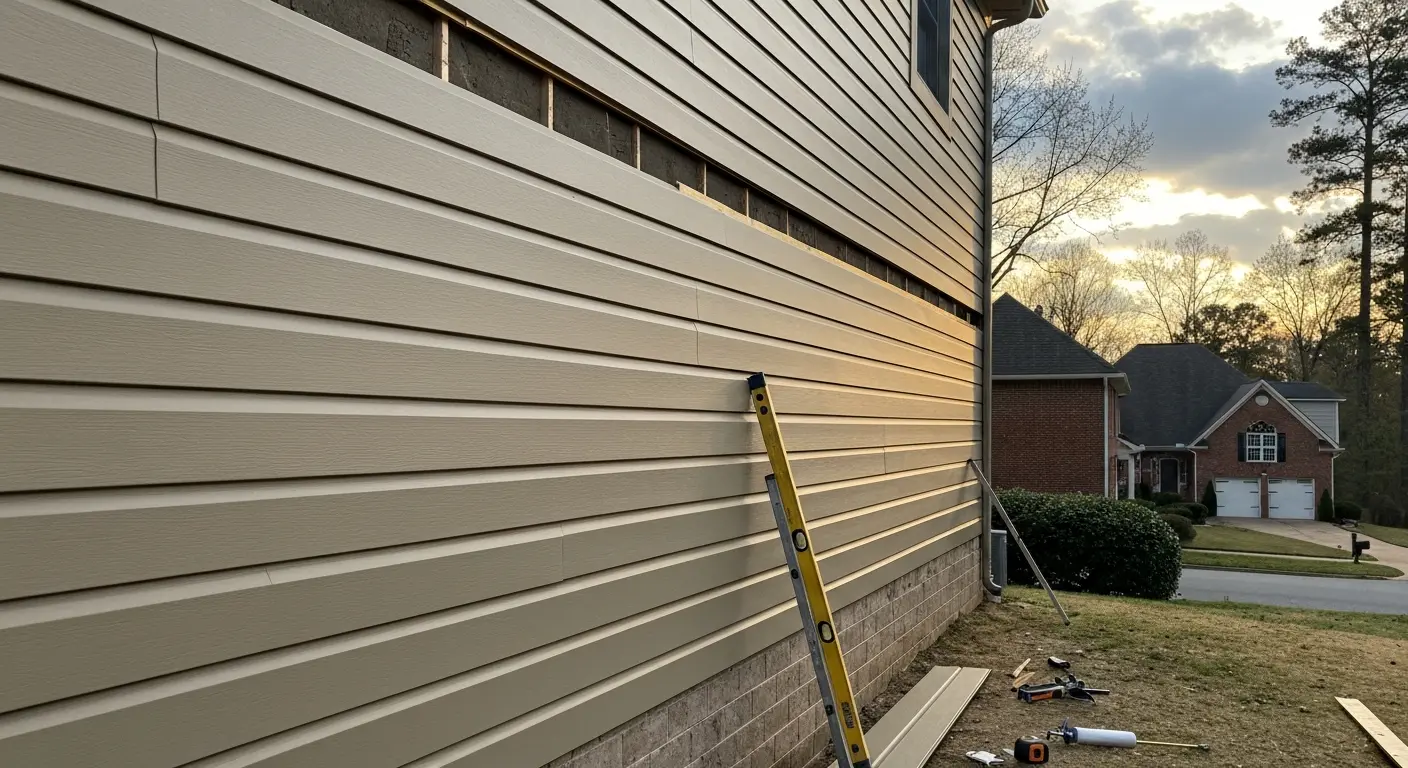
New siding installation near downtown Roswell, protecting homes from spring storms.
Siding Repair
Storm damage, warping, or loose panels compromise your home's protection. Repairs extend siding life and prevent costly water damage. Roswell's humid summers and spring hail make regular inspections essential.
- Fix cracked or dented panels
- Seal moisture entry points
- Replace rot-damaged sections
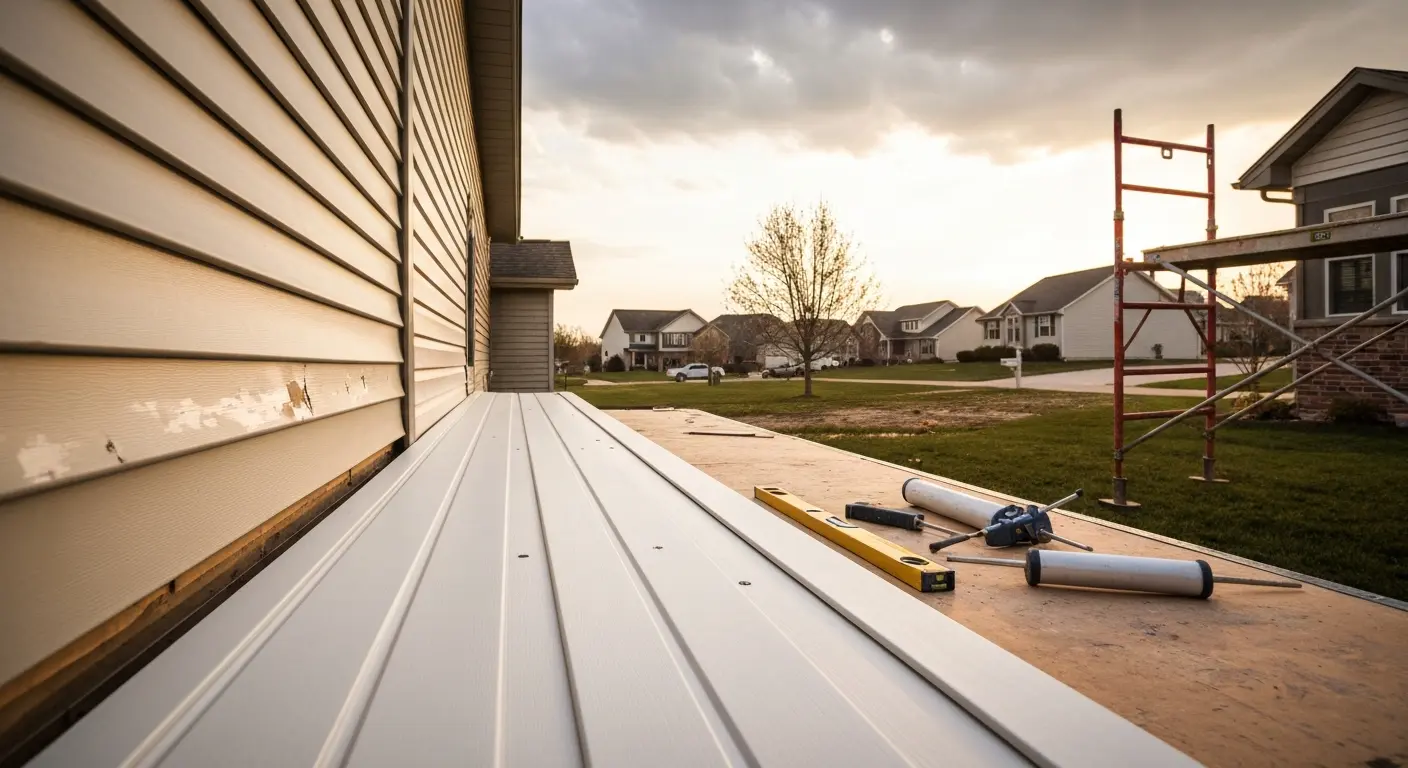
Hail damage repair in Brookfield West, restoring siding durability after spring storms.
Roofing Contractor Services
A roofing contractor in Roswell handles inspection, repair, and replacement. Shingles take a beating from hail; even small leaks lead to interior damage. Proper ventilation prevents mold in Georgia's humid climate.
- Full roof inspections and documentation
- Hail and wind damage claims assistance
- Shingle replacement and full re-roofing
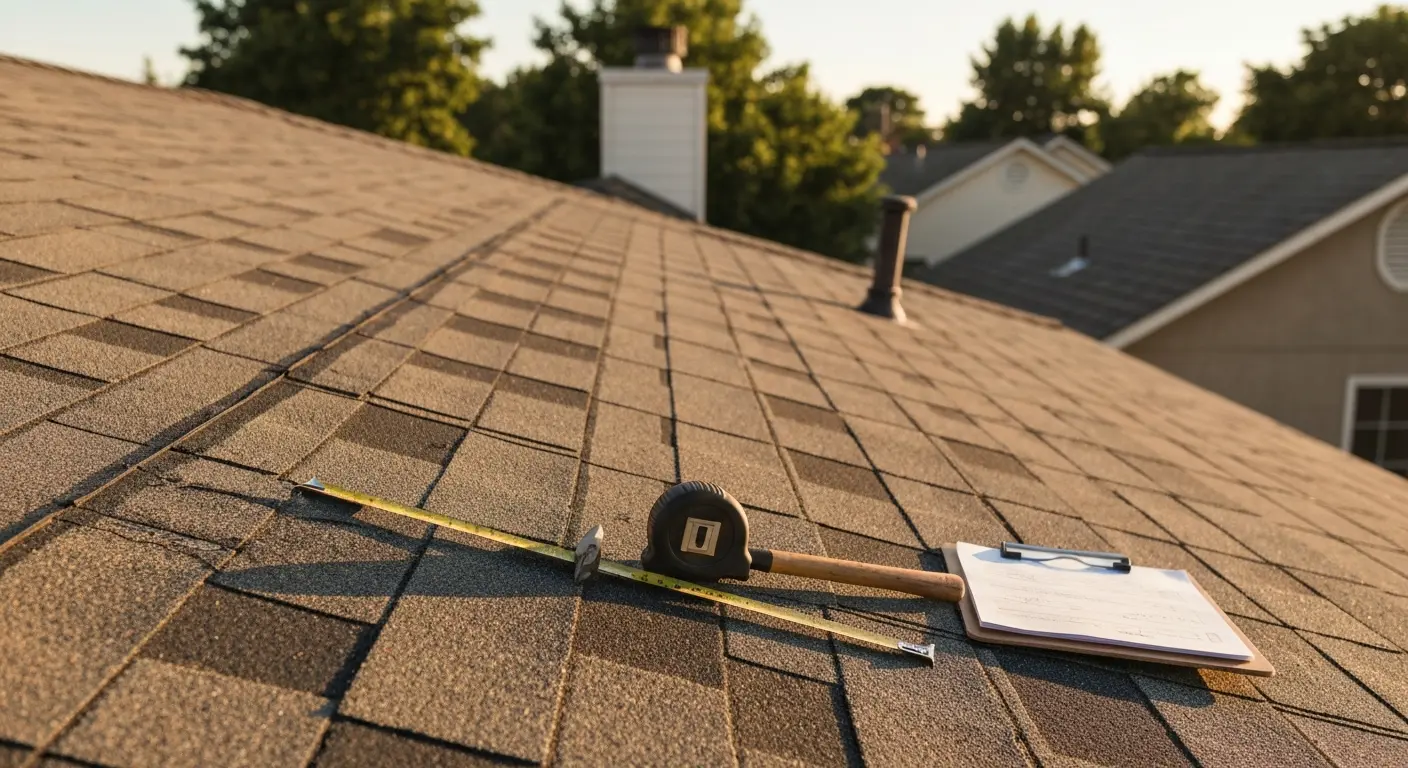
Roof inspection and hail damage assessment in Nesbit Lakes neighborhood.
Storm Damage Restoration
Spring and summer bring severe weather to north metro Atlanta. Hail dents vinyl, cracks fiber cement, and breaks roof shingles. Quick damage assessment and insurance claim support protect your home.
- Document hail or wind damage with photos
- Work directly with insurance adjusters
- Emergency tarping and board-up services
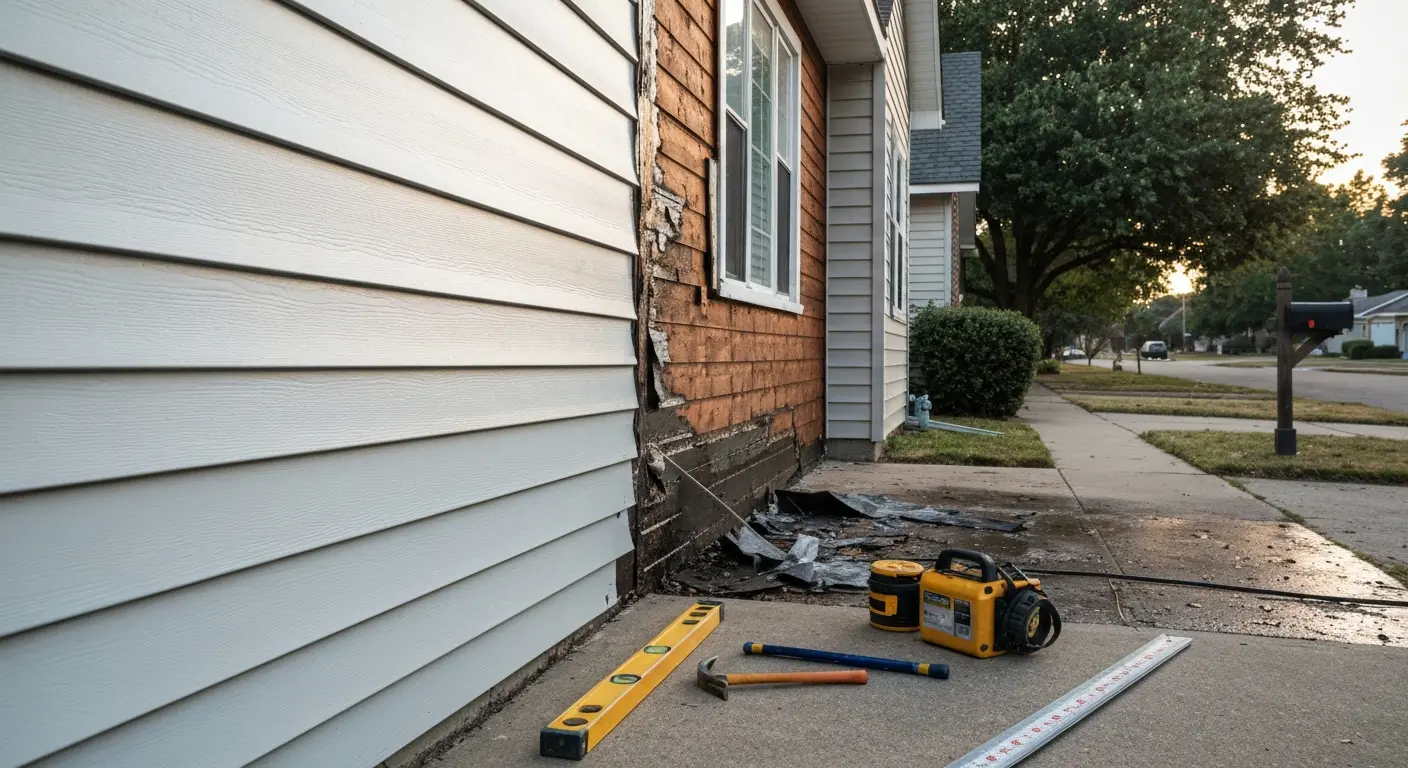
Storm damage restoration and siding repair after severe weather.
Why Local Siding & Roofing Expertise Matters
Roswell's weather patterns demand expertise. Your home isn't just an asset—it's protection for your family and investment in your property value.
Climate & Durability
Georgia's humid summers, spring hail, and occasional ice storms take a toll. Siding and roofing materials need to handle temperature swings, moisture, and UV exposure. Fiber cement and modern vinyl resist warping and cracking better than older vinyl.
Roswell sits in a region that sees spring and early summer storms bringing hail up to softball-sized. Regular inspections after storms catch damage before it becomes expensive.
Permits & Building Codes
Roswell enforces Georgia State Building Code. Most siding and roof replacements require permits. Historic District homes have additional review. A contractor familiar with local codes prevents delays and inspection failures.
HOA & Historic Guidelines
Neighborhoods like Stonegrove, Centennial, and Litchfield have architectural review boards. The Historic District has strict color and material standards. Contractors who understand these rules simplify the approval process.
Insurance & Claims
Storm damage often qualifies for insurance coverage. Contractors experienced in filing claims and working with adjusters maximize your benefit. Proper documentation and repair records protect your investment.
Serving Roswell & Surrounding Areas
We serve homes throughout north metro Atlanta and Fulton County
Roswell is just 20 miles north of downtown Atlanta. Neighborhoods and communities we serve include:
- Historic District & Downtown: Canton Street, Bulloch Hall, Barrington Hall areas
- Residential Communities: Brookfield West, Nesbit Lakes, Stonegrove, Centennial, Woodfield, Litchfield
- Waterfront Areas: Properties near Chattahoochee River and Leita Thompson Memorial Park
- Near East Cobb: Gated and planned communities on the Roswell-Marietta border
Getting Here
Roswell is accessible via GA-400 from Atlanta, connecting to I-285. Many neighborhoods are served by MARTA bus routes along Atlanta Street and Holcomb Bridge Road. Parking is ample in most residential areas.
The City of Roswell Building Division is located at 38 Hill Street, Suite G-30, open Monday–Friday 8 a.m. to 4:30 p.m. Contact them at 770-817-6756 for permit questions or to verify project requirements before contacting a contractor.
What Should You Know Before Starting a Siding Project?
Choosing the right contractor and material protects your investment and simplifies the process. Here are key questions to clarify upfront:
Contractor Qualifications
Ask if your contractor holds a Georgia General Contractor License (RLCO). They should be familiar with Roswell's Unified Development Code and Building Division requirements. Request references from recent local projects.
Material & HOA Approval
If you're in a gated community or the Historic District, confirm color and material approval before purchasing. Some neighborhoods have strict requirements. Reputable contractors assist with HOA documentation.
Warranty & Cleanup
Get warranty details in writing. Understand what's covered—materials, labor, and for how long. Clarify cleanup responsibility and daily site conditions before work starts.
Frequently Asked Questions
Do I need a permit for siding replacement in Roswell?
Yes. Roswell requires permits for most siding replacements and installations. Contact the Building Division at 770-817-6756 to confirm. Your contractor typically handles the permit application.
What siding materials work best in Roswell's climate?
Fiber cement resists hail, moisture, and UV damage. Modern vinyl handles humidity well. Engineered wood suits historic homes. Discuss durability and maintenance with your contractor to match your needs.
Can I file an insurance claim for hail damage?
Many homeowners policies cover hail damage to siding and roofs. Contact your insurer after a storm. Contractors experienced with insurance claims can document damage and assist with the process.
Are there restrictions in the Historic District?
Yes. The Historic District has strict color and material guidelines. You'll need approval from the Historic Preservation Commission. Contractors familiar with local guidelines simplify this process.
How often should I inspect my roof for damage?
At least twice yearly—spring and fall—and after severe storms. Look for missing or cracked shingles, loose flashing, or debris. Early detection prevents leaks and water damage.
DISCOVER WHAT OUR CUSTOMERS HAVE TO SAY ABOUT US
REVIEWS
proudly serving these areas
Acworth, GA
Alpharetta, GA
Ball Ground, GA
Blue Ridge, GA
Canton, GA
Cartersville, GA
Cherry Log, GA
Duluth, GA
READY TO take the next step?
get a free quote TODAY!

QUICK LINKS
our services
service areas
operating HOURS
Mon: 8:00 am - 6:00 pm
Tue: 8:00 am - 6:00 pm
Wed: 8:00 am - 6:00 pm
Thu: 8:00 am - 6:00 pm
Fri: 8:00 am - 6:00 pm
Sat: 8:00 am - 6:00 pm
Sun: Closed - Closed